Gritd

Service Design

Project Management Interface

Dashboard System

Figma

HTML / CSS

UX-Research

A portrait of you.

Introduction

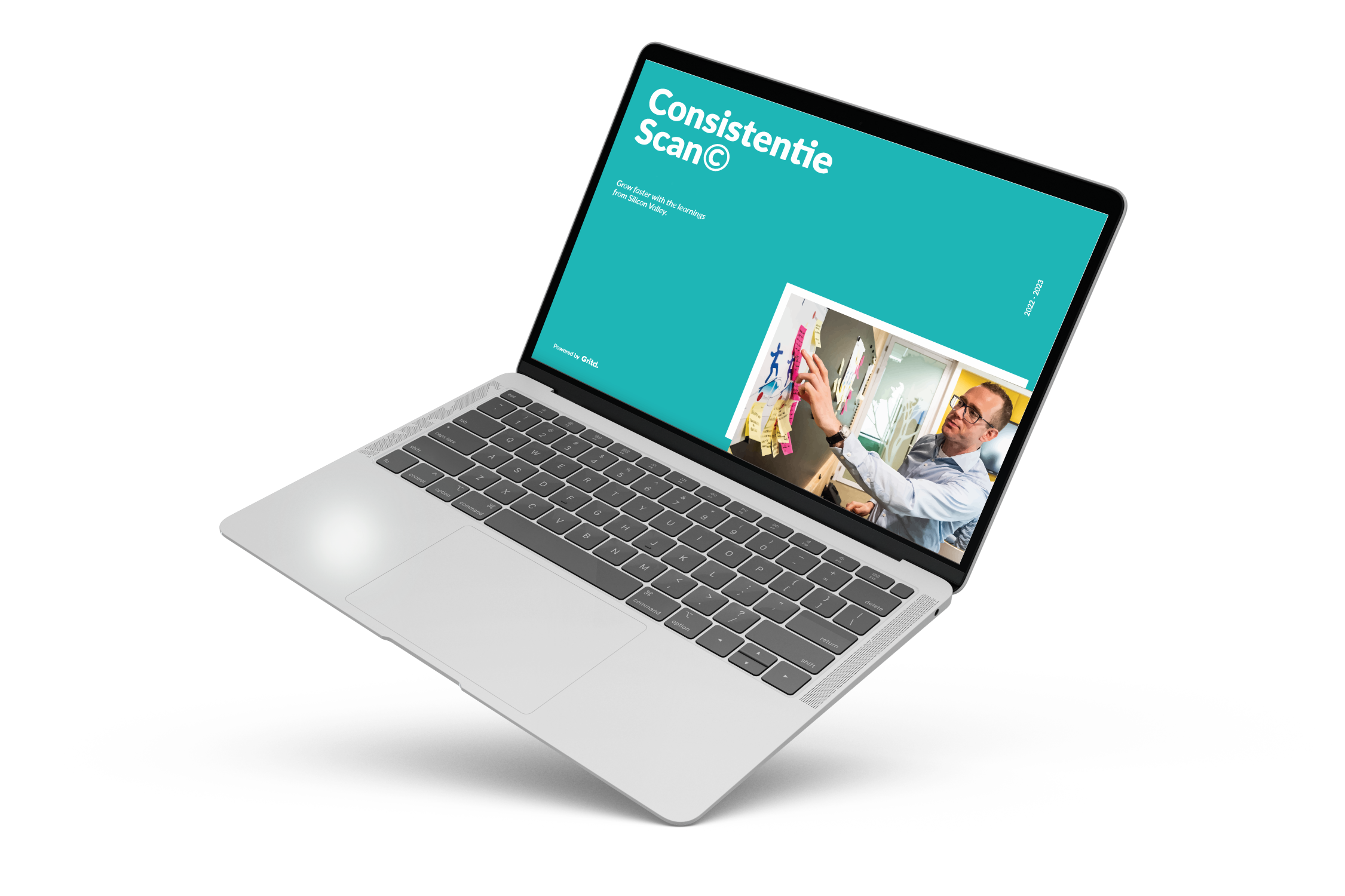
I worked on the design of a digital platform for Gritd that enables Regional Development Companies to apply the ConsistencyScan© in practice. The platform translates startup data into clear insights that support decision making and growth guidance.

My Role

I was responsible for the UX design of the platform, from research to detailed screen design and prototyping. My focus was on translating business goals and user needs into clear flows and functional interfaces.


Key contributions included:

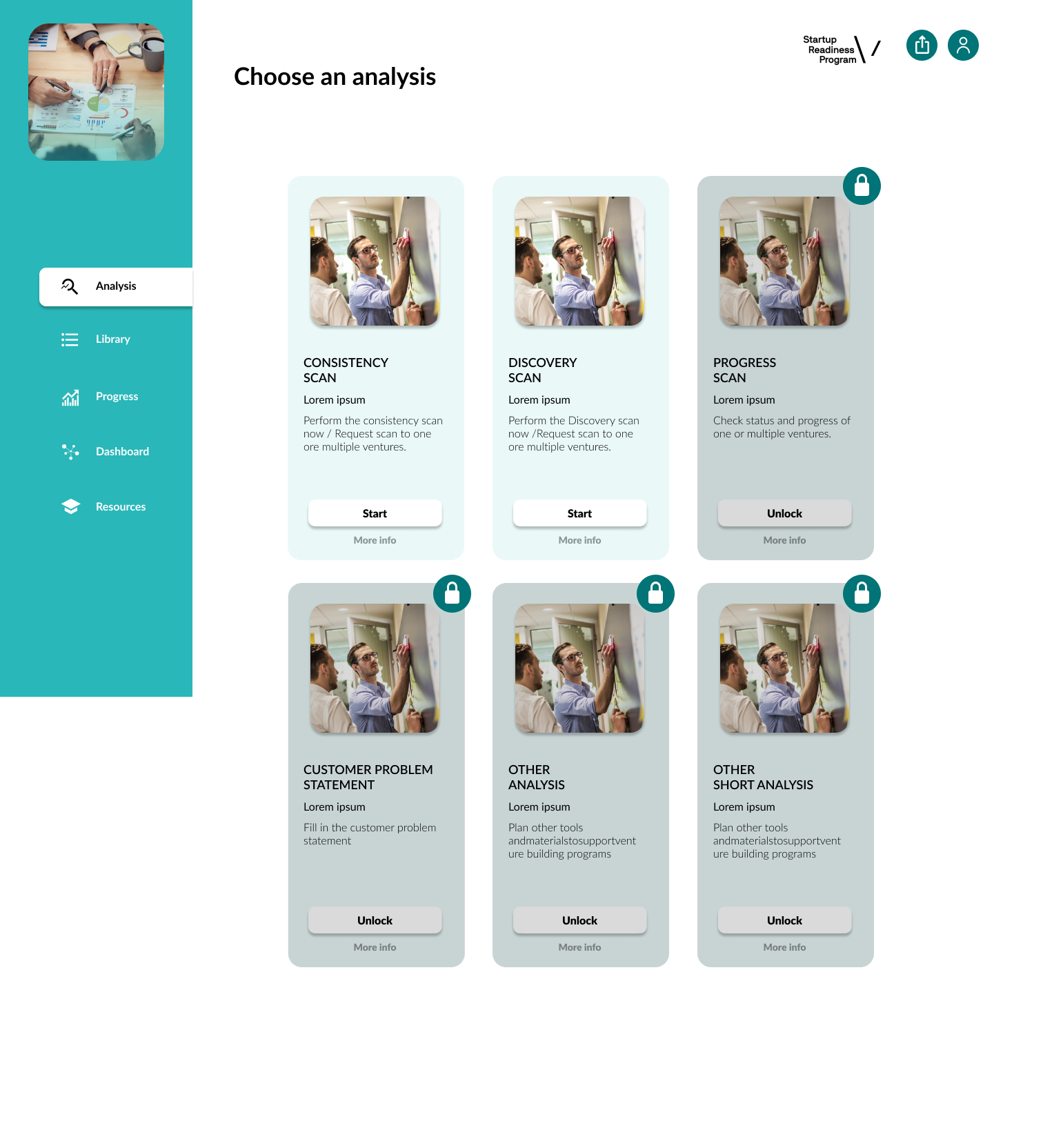
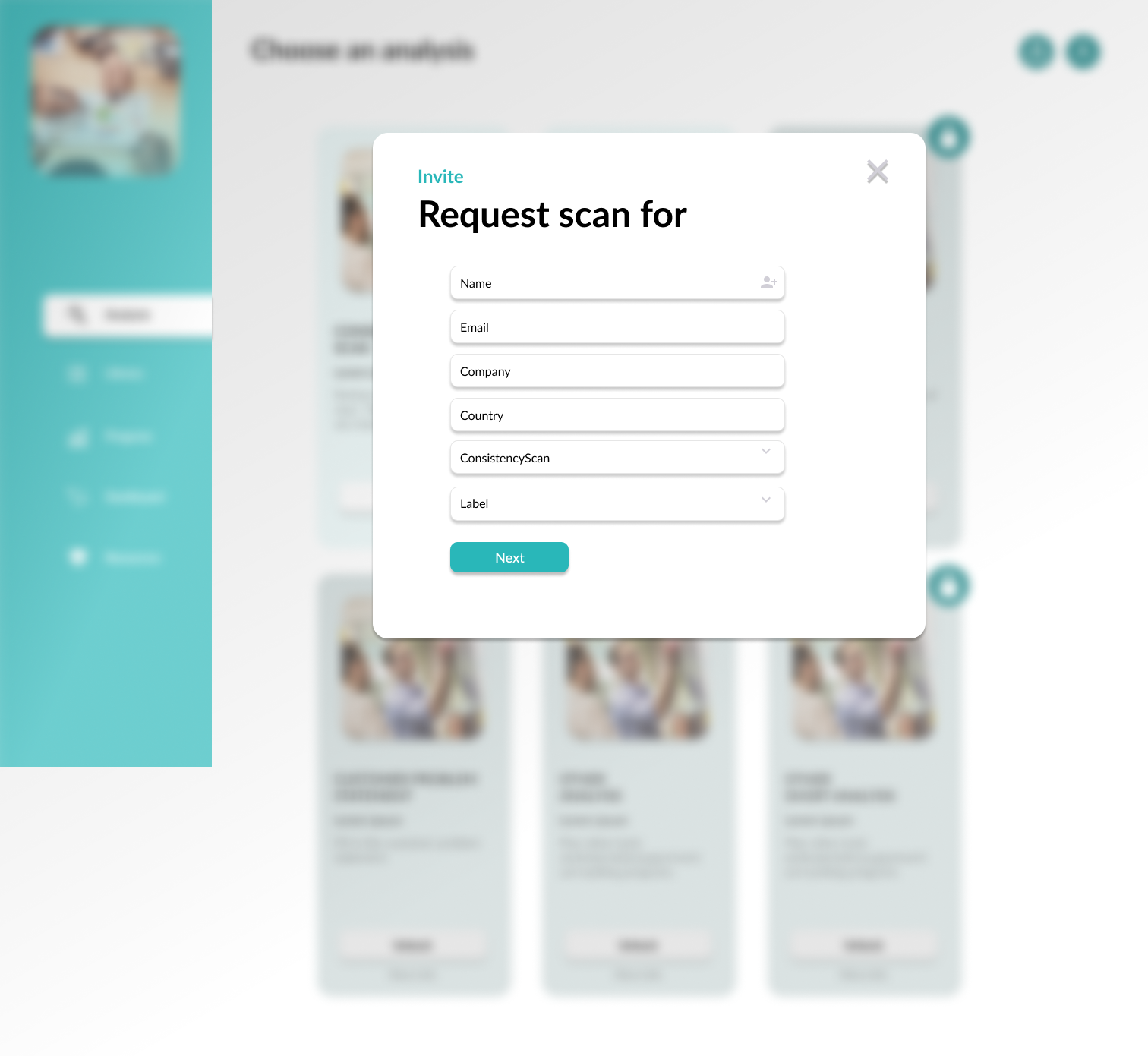
  • Designing screens and interactive prototypes for distributing the ConsistencyScan questionnaire to entrepreneurs.
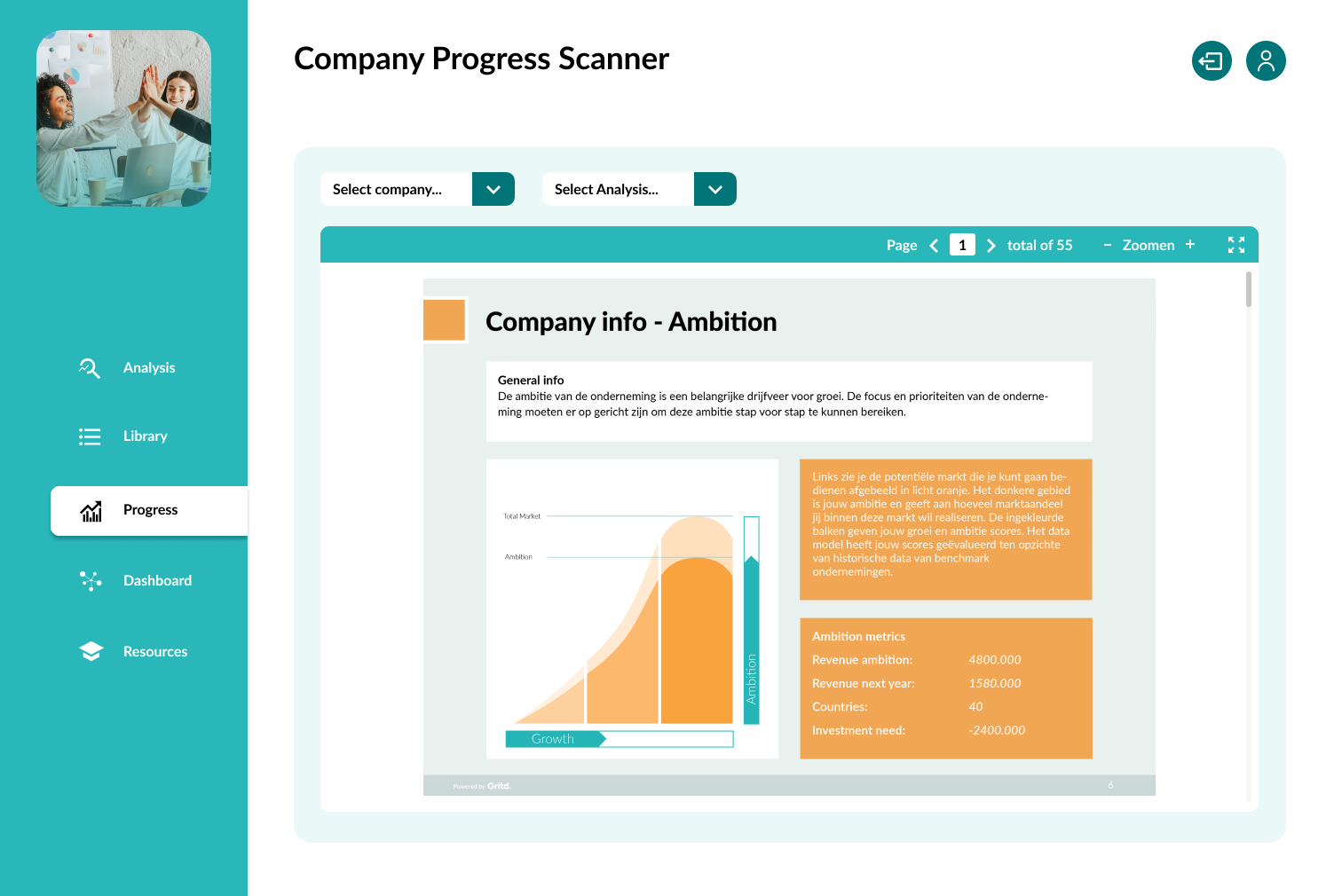
  • Creating a library environment where users can access, compare, and analyze ConsistencyScan reports.
  • Designing visual progress tracking to show startup development over time.
  • Defining the structure and interaction of core platform elements such as navigation, dashboards, and account settings.
  • Throughout the project, I acted as the link between business stakeholders, management, and end users to ensure alignment between strategy and usability.

Project Overview

Gritd developed the ConsistencyScan© as a questionnaire to assess the maturity of startups. It measures achieved milestones such as product market fit and identifies what is still needed to scale marketing and sales activities.


The challenge was to turn this questionnaire and its algorithmic output into a usable digital platform. The platform needed to support Regional Development Companies in distributing the scan, interpreting results, and tracking startup progress over time. The reports generated through the ConsistencyScan© are a core part of Gritd’s service offering and therefore had to be clear, reliable, and easy to use.


The initial version of the platform was designed specifically for Regional Development Companies in the Netherlands, who acted as the first and primary user group.


Learnings

Empathy for users

Conceptual thinking

Structuring research insights

Structuring research insights

This project strengthened my ability to think holistically from a business and user perspective at the same time. I learned how to translate abstract business ideas into concrete, implementable UX solutions.


Key learnings include:

  • Acting as a bridge between business, management, and end users.
  • Designing dashboards and flows based on real user needs and decision making processes.
  • Conducting qualitative research through interviews and focus groups and continuously asking why.
  • Applying thematic analysis and diffusion of innovation principles to understand product adoption.
  • Working with customer journey tools such as service blueprints and experience maps.
  • Gaining basic coding experience to better align design decisions with technical implementation.


These insights have shaped how I approach complex platforms and data driven products in my UX work.

Result & Impact

The result was a structured and user friendly platform that enables Regional Development Companies to work efficiently with the ConsistencyScan©. Users can distribute questionnaires, review reports, and monitor startup progress in a single environment.


The platform supports better communication between advisors and startups by making insights concrete and actionable. It also helps Gritd scale its service offering by embedding its methodology into a clear and repeatable digital product. The design demonstrates how usability and technology together can strengthen the startup ecosystem.

Let’s Work Together

Rincke Helling

Contact

Rincke.h@hotmail.nl

(+31)641317741

The Netherlands

Location: Veenendaal

Gritd

Service Design

Project Management Interface

Dashboard System

Figma

HTML / CSS

UX-Research
A portrait of you.

Introduction

I worked on the design of a digital platform for Gritd that enables Regional Development Companies to apply the ConsistencyScan© in practice. The platform translates startup data into clear insights that support decision making and growth guidance.

My Role

I was responsible for the UX design of the platform, from research to detailed screen design and prototyping. My focus was on translating business goals and user needs into clear flows and functional interfaces.


Key contributions included:

  • Designing screens and interactive prototypes for distributing the ConsistencyScan questionnaire to entrepreneurs.
  • Creating a library environment where users can access, compare, and analyze ConsistencyScan reports.
  • Designing visual progress tracking to show startup development over time.
  • Defining the structure and interaction of core platform elements such as navigation, dashboards, and account settings.
  • Throughout the project, I acted as the link between business stakeholders, management, and end users to ensure alignment between strategy and usability.

Project Overview

Gritd developed the ConsistencyScan© as a questionnaire to assess the maturity of startups. It measures achieved milestones such as product market fit and identifies what is still needed to scale marketing and sales activities.


The challenge was to turn this questionnaire and its algorithmic output into a usable digital platform. The platform needed to support Regional Development Companies in distributing the scan, interpreting results, and tracking startup progress over time. The reports generated through the ConsistencyScan© are a core part of Gritd’s service offering and therefore had to be clear, reliable, and easy to use.


The initial version of the platform was designed specifically for Regional Development Companies in the Netherlands, who acted as the first and primary user group.
 

Learnings

Empathy for users

Conceptual thinking

Structuring research insights

Structuring research insights

This project strengthened my ability to think holistically from a business and user perspective at the same time. I learned how to translate abstract business ideas into concrete, implementable UX solutions.


Key learnings include:

  • Acting as a bridge between business, management, and end users.
  • Designing dashboards and flows based on real user needs and decision making processes.
  • Conducting qualitative research through interviews and focus groups and continuously asking why.
  • Applying thematic analysis and diffusion of innovation principles to understand product adoption.
  • Working with customer journey tools such as service blueprints and experience maps.
  • Gaining basic coding experience to better align design decisions with technical implementation.


These insights have shaped how I approach complex platforms and data driven products in my UX work.

Result & Impact

The result was a structured and user friendly platform that enables Regional Development Companies to work efficiently with the ConsistencyScan©. Users can distribute questionnaires, review reports, and monitor startup progress in a single environment.


The platform supports better communication between advisors and startups by making insights concrete and actionable. It also helps Gritd scale its service offering by embedding its methodology into a clear and repeatable digital product. The design demonstrates how usability and technology together can strengthen the startup ecosystem.

Let’s Work Together

Gritd

Service Design

Project Management Interface

Dashboard System

Figma

HTML / CSS

UX-Research

A portrait of you.

Introduction

I worked on the design of a digital platform for Gritd that enables Regional Development Companies to apply the ConsistencyScan© in practice. The platform translates startup data into clear insights that support decision making and growth guidance.

Project Overview

Gritd developed the ConsistencyScan© as a questionnaire to assess the maturity of startups. It measures achieved milestones such as product market fit and identifies what is still needed to scale marketing and sales activities.


The challenge was to turn this questionnaire and its algorithmic output into a usable digital platform. The platform needed to support Regional Development Companies in distributing the scan, interpreting results, and tracking startup progress over time. The reports generated through the ConsistencyScan© are a core part of Gritd’s service offering and therefore had to be clear, reliable, and easy to use.


The initial version of the platform was designed specifically for Regional Development Companies in the Netherlands, who acted as the first and primary user group.
 

My Role

I was responsible for the UX design of the platform, from research to detailed screen design and prototyping. My focus was on translating business goals and user needs into clear flows and functional interfaces.


Key contributions included:

  • Designing screens and interactive prototypes for distributing the ConsistencyScan questionnaire to entrepreneurs.
  • Creating a library environment where users can access, compare, and analyze ConsistencyScan reports.
  • Designing visual progress tracking to show startup development over time.
  • Defining the structure and interaction of core platform elements such as navigation, dashboards, and account settings.
  • Throughout the project, I acted as the link between business stakeholders, management, and end users to ensure alignment between strategy and usability.

Result & Impact

The result was a structured and user friendly platform that enables Regional Development Companies to work efficiently with the ConsistencyScan©. Users can distribute questionnaires, review reports, and monitor startup progress in a single environment.


The platform supports better communication between advisors and startups by making insights concrete and actionable. It also helps Gritd scale its service offering by embedding its methodology into a clear and repeatable digital product. The design demonstrates how usability and technology together can strengthen the startup ecosystem.

Learnings

Empathy for users

Conceptual thinking

Structuring research insights

Structuring research insights

This project strengthened my ability to think holistically from a business and user perspective at the same time. I learned how to translate abstract business ideas into concrete, implementable UX solutions.


Key learnings include:

  • Acting as a bridge between business, management, and end users.
  • Designing dashboards and flows based on real user needs and decision making processes.
  • Conducting qualitative research through interviews and focus groups and continuously asking why.
  • Applying thematic analysis and diffusion of innovation principles to understand product adoption.
  • Working with customer journey tools such as service blueprints and experience maps.
  • Gaining basic coding experience to better align design decisions with technical implementation.


These insights have shaped how I approach complex platforms and data driven products in my UX work.

Let’s Work Together