
Additive Catchments
By Capgemni

Water Management Dashboard
Project Management System
Mendix Interface

Figma
HTML / SCSS
SCRUM
Design System
Introduction
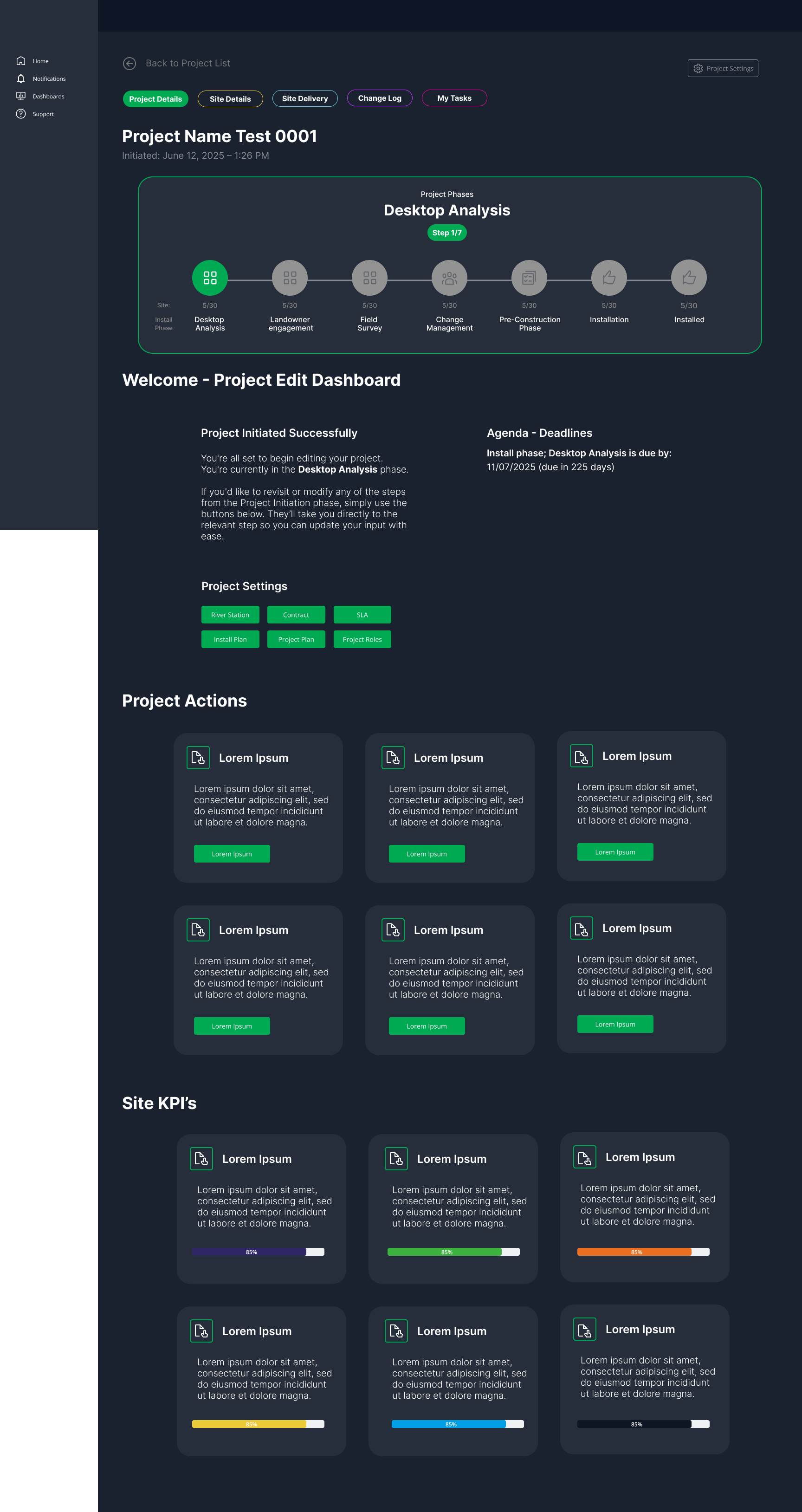
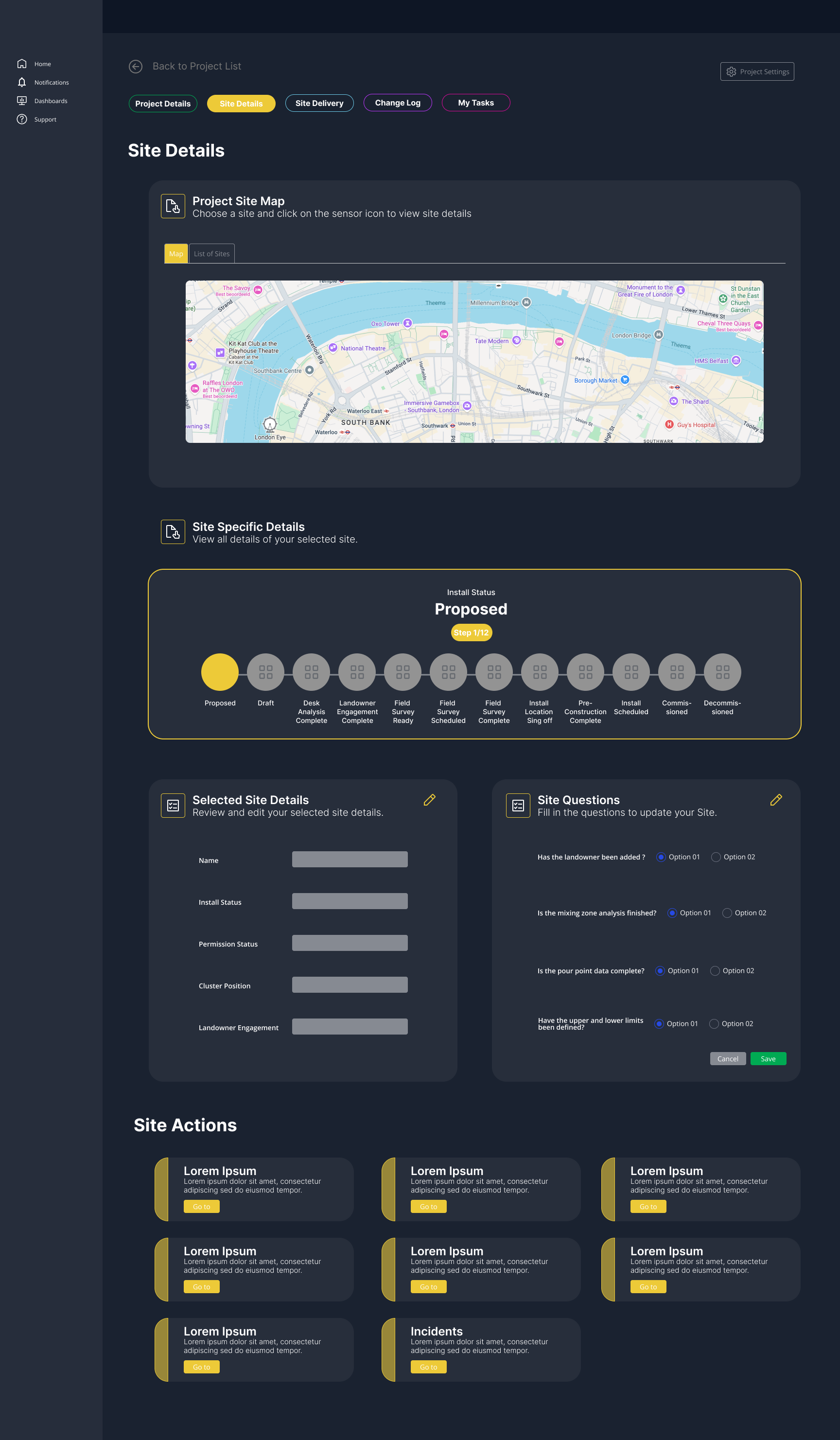
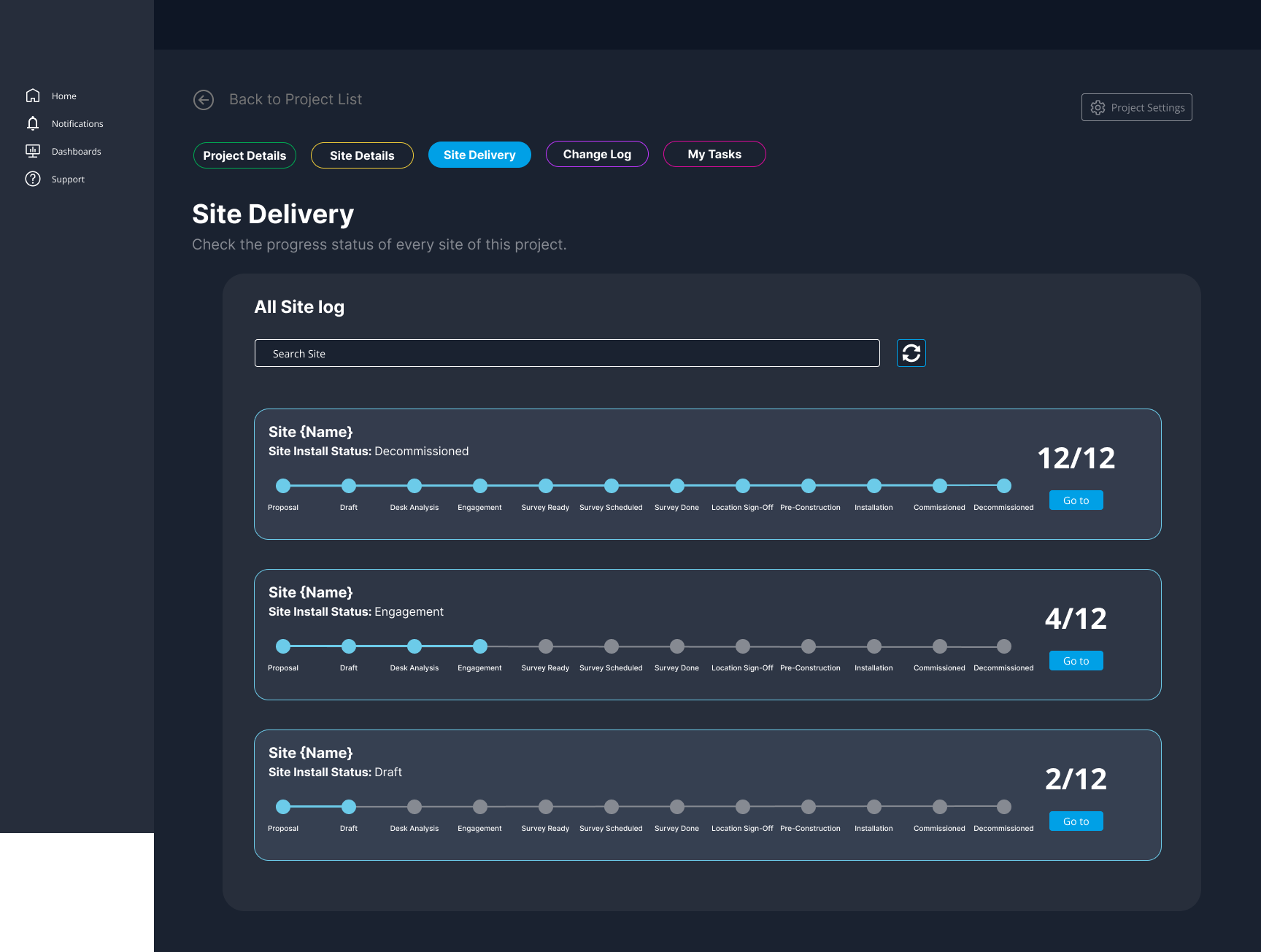
At Additive Catchments I worked as a low code developer with a strong focus on UX and UI design. I improved several digital products by refining user flows, upgrading the visual identity, and translating designs directly into functional Mendix components.
My Role
Project Overview
Additive Catchments develops digital solutions used across different user groups and markets. The challenge was that several of these applications needed a clearer structure, a more consistent interface, and an improved user experience.
My task was to optimize the flow of the Mendix applications, improve the visual and interaction design, and strengthen the brand identity across the platform. This required a mix of user research, design, and hands on implementation.
Next to refining existing applications, I also worked on new digital products. I created early interface concepts, tested and refined them with stakeholders, and prepared the foundations for development.
Learnings

Component Based Design
Iterative Thinking
Ownership And Responsibility
International communication
Giving walkthroughs
Stakeholder Management
Working at Additive Catchments taught me how to design and build in a fast paced, international environment.
Key learnings include:
- Working in a multidisciplinary Agile Scrum team within a British company.
- Designing with implementation in mind to ensure smooth translation into code.
- Breaking designs into small, iterative steps to keep up with changing business needs.
- Prioritizing which design elements deliver the most value at a given moment.
- Giving clear walkthroughs and demos to management and stakeholders.
- Discussing technical constraints with developers and adapting designs accordingly.
These experiences strengthened my ability to combine UX design with practical low code development and deliver solutions that are both thoughtful and executable.
Result & Impact
The applications gained a clearer structure, a stronger visual identity, and a more intuitive user experience. Navigation became easier, forms were simplified, and several components became reusable across products.
Because I implemented many of the UI changes myself, the design to development cycle became faster and more consistent. Stakeholders received designs that were realistic, technically feasible, and directly linked to business needs.
My work supported the growth of new digital products and improved the quality and scalability of existing ones.